TURF MAINTENANCE SERVICES
Professional turf maintenance services in Plano, TX
Keep your artificial turf looking its best with our comprehensive maintenance services. Regular professional maintenance extends the life of your investment and ensures optimal performance year after year.
FEATURES
- -Regular cleaning and debris removal
- -Infill redistribution and topping
- -Brushing and fiber grooming
- -Sanitizing and deodorizing
- -Inspection and minor repairs
BENEFITS
- -Maximum turf lifespan
- -Consistent appearance
- -Optimal drainage performance
- -Odor prevention
- -Protects your investment
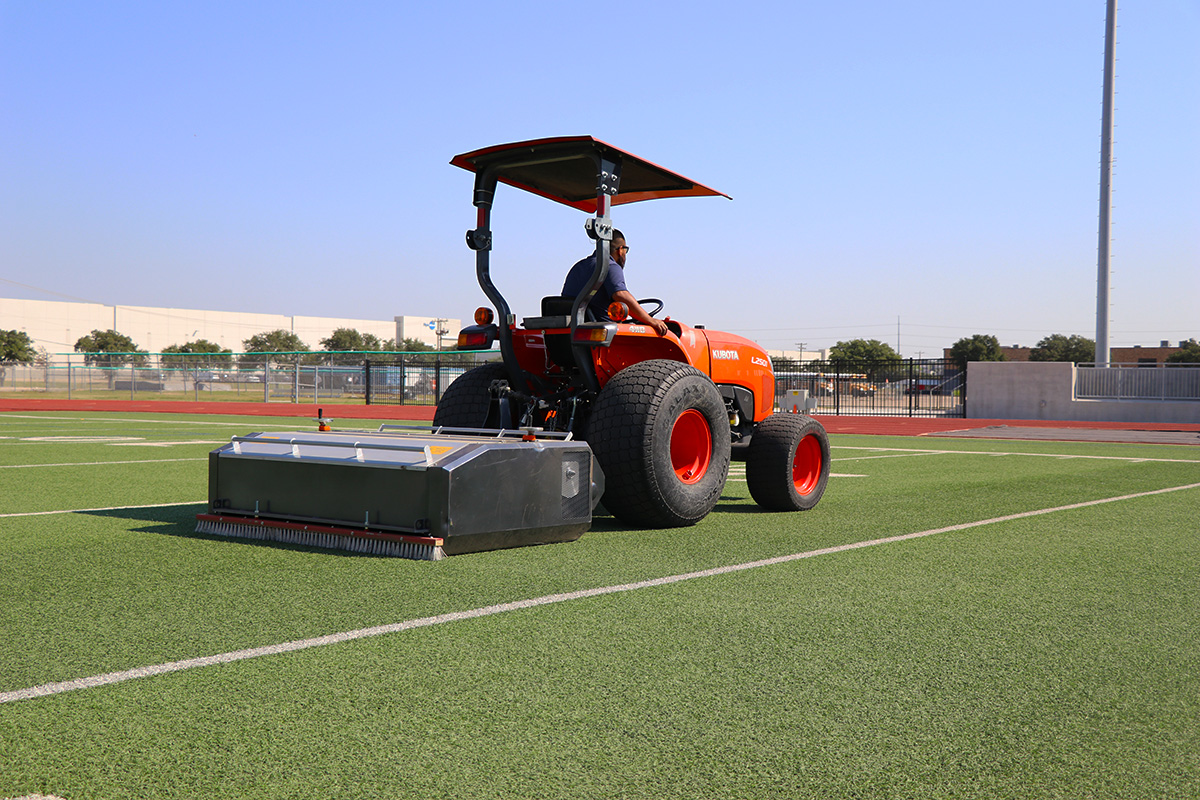
Turf Maintenance Services in Plano, TX Protect your synthetic grass investment with professional turf maintenance services designed specifically for North Texas conditions. Our comprehensive maintenance programs ensure your artificial lawn maintains optimal appearance, performance, and longevity throughout every season. ## Regular Maintenance Schedules Consistent maintenance preserves the beauty and functionality of synthetic grass installations. ### Maintenance Frequency **Monthly Service**: Basic maintenance including debris removal, surface inspection, and minor grooming for most residential installations. **Bi-Monthly Service**: Enhanced attention for high-traffic areas, pet installations, or properties with heavy tree coverage. **Quarterly Deep Service**: Comprehensive maintenance including infill evaluation, deep cleaning, and detailed inspection. **Annual Overhaul**: Complete system evaluation, performance testing, and major maintenance activities. ### Seasonal Considerations **Spring Preparation**: Deep cleaning, infill assessment, and preparation for increased summer use. **Summer Management**: Heat monitoring, increased cleaning frequency, and hydration for pet areas. **Fall Restoration**: Leaf removal, drainage verification, and repair of summer wear. **Winter Protection**: Minimal maintenance season ideal for major repairs or enhancements. ## Brushing and Grooming Techniques Proper grooming maintains turf appearance and performance characteristics. ### Grooming Equipment **Power Brooms**: Professional equipment lifts fibers and redistributes infill evenly across surfaces. **Stiff Bristle Brushes**: Hand brushing addresses specific areas and detail work. **Specialized Attachments**: Various brush types address different turf specifications and conditions. **Vacuum Systems**: Some equipment combines grooming with debris removal for efficiency. ### Grooming Procedures **Fiber Lifting**: Brushing against the grain lifts compressed fibers and restores appearance. **Infill Redistribution**: Even infill distribution ensures consistent performance and appearance. **Traffic Pattern Management**: Cross-directional brushing prevents permanent wear patterns. **Detail Attention**: Edges, seams, and transition areas receive specialized grooming. ## Infill Redistribution and Topping Infill management is critical for turf performance and longevity. ### Infill Assessment **Depth Measurement**: Regular checking ensures infill maintains specified depths. **Distribution Evaluation**: Identifying areas of displacement or uneven coverage. **Material Condition**: Assessing degradation, contamination, or compaction issues. **Performance Testing**: Evaluating how infill affects surface firmness and drainage. ### Redistribution Techniques **Power Brushing**: Mechanical brushing works infill evenly into fiber structure. **Hand Raking**: Manual attention to detailed areas and problem spots. **Top-Dressing**: Adding fresh infill to maintain proper depths and refresh material. **Debris Separation**: Removing contaminated infill while preserving usable material. ## Debris and Leaf Removal Keeping surfaces clean prevents damage and maintains appearance. ### Debris Management **Wind-Blown Debris**: Regular removal of paper, trash, and other wind-carried materials. **Organic Matter**: Prompt clearing of leaves, twigs, and plant debris. **Storm Cleanup**: Post-storm debris removal prevents staining and damage. **Pet Waste**: Specialized handling of pet deposits with appropriate sanitization. ### Removal Methods **Leaf Blowers**: Controlled air movement clears loose debris without disturbing infill. **Vacuum Systems**: Powerful vacuums remove fine debris and dust. **Hand Picking**: Detailed attention to embedded or stubborn debris. **Power Sweeping**: Mechanical sweepers for large commercial areas. ## Weed Prevention and Treatment While rare with proper installation, weed management ensures pristine appearance. ### Prevention Strategies **Barrier Integrity**: Maintaining weed barrier effectiveness at edges and penetrations. **Organic Matter Removal**: Eliminating debris that could support weed growth. **Edge Maintenance**: Securing perimeter areas where weeds might establish. **Surface Cleaning**: Keeping surfaces clean prevents weed establishment conditions. ### Treatment Options **Manual Removal**: Hand-pulling any weeds that appear, ensuring complete root removal. **Spot Treatment**: Selective herbicide application for persistent problems. **Barrier Repair**: Addressing any barrier failures that allow weed penetration. **Preventive Applications**: Pre-emergent treatments in susceptible areas. ## Pet Area Sanitization Pet installations require specialized maintenance for hygiene and odor control. ### Cleaning Protocols **Solid Waste Removal**: Daily pickup prevents decomposition and odor development. **Surface Rinsing**: Regular water application removes residues and refreshes surfaces. **Spot Cleaning**: Targeted attention to heavily used relief areas. **Deep Cleaning**: Periodic comprehensive cleaning with specialized equipment. ### Sanitization Methods **Enzyme Treatments**: Biological cleaners break down organic matter and control odors. **Antimicrobial Applications**: Periodic treatments that inhibit bacterial growth. **Infill Refreshment**: Replacing or recharging infill to restore odor control capacity. **Steam Cleaning**: Professional steam sanitization for deep cleaning. ## Stain Removal Methods Prompt attention to stains prevents permanent discoloration. ### Common Stains **Organic Stains**: Food, beverages, and organic materials that can decompose. **Pet Stains**: Concentrated waste areas requiring specialized attention. **Oil and Grease**: Automotive or equipment-related staining. **Mineral Deposits**: Hard water or irrigation-related discoloration. ### Removal Techniques **Blotting**: Immediate attention to fresh spills prevents penetration. **Mild Detergents**: Appropriate cleaning solutions for general stains. **Specialized Cleaners**: Products designed for specific stain types. **Professional Treatment**: Deep cleaning for persistent or extensive staining. ## Seasonal Deep Cleaning Periodic comprehensive cleaning restores optimal appearance and hygiene. ### Spring Deep Clean **Winter Recovery**: Addressing accumulated winter debris and dormant period issues. **Infill Restoration**: Comprehensive infill evaluation and renewal. **Drainage Verification**: Ensuring systems function optimally before summer rains. **Damage Assessment**: Identifying and scheduling repairs for winter damage. ### Summer Maintenance **Heat Management**: Monitoring and addressing heat-related issues. **Increased Activity**: Enhanced cleaning for peak usage periods. **Pet Area Attention**: Intensive sanitization during warm weather. **Irrigation Elimination**: Confirming no irrigation system operation. ### Fall Preparation **Leaf Management**: Intensive leaf removal program. **Storm Readiness**: Preparing for increased weather activity. **Wear Repair**: Addressing summer wear patterns. **Drainage Clearing**: Ensuring systems handle winter precipitation. ### Winter Care **Minimal Maintenance**: Reduced needs during low-use periods. **Planning Season**: Ideal time for major repairs or enhancements. **Equipment Maintenance**: Servicing maintenance equipment during downtime. **Spring Preparation**: Planning for increased spring activity. ## Professional Inspection Services Regular professional evaluation catches issues before they become major problems. ### Inspection Elements **Surface Condition**: Evaluating fiber integrity, appearance, and performance. **Seam and Edge Check**: Assessing attachment integrity and potential issues. **Infill Analysis**: Measuring depths, distribution, and material condition. **Drainage Assessment**: Testing and evaluating drainage performance. **Base Evaluation**: Checking for settling, erosion, or structural issues. ### Documentation **Condition Reports**: Written documentation of findings and recommendations. **Photo Records**: Visual documentation of condition over time. **Maintenance History**: Tracking all maintenance activities and their effects. **coverage details Support**: Documentation that supports coverage details requirements. ## DIY vs Professional Maintenance Comparison Understanding the balance between owner and professional maintenance optimizes outcomes. ### DIY-Appropriate Tasks **Debris Removal**: Regular clearing of leaves and loose debris. **Surface Rinsing**: Light watering to remove dust and refresh surfaces. **Basic Grooming**: Light brushing with appropriate tools. **Spot Cleaning**: Immediate attention to spills and pet waste. ### Professional Requirements **Power Grooming**: Equipment and expertise for effective infill management. **Deep Cleaning**: Specialized equipment for comprehensive surface restoration. **Repair Work**: Seam repairs, patching, and structural corrections. **Performance Testing**: Verification of drainage, safety, and performance characteristics. **Infill Management**: Proper assessment and professional-grade infill handling. ### Cost-Benefit Analysis **Equipment Investment**: Professional equipment costs vs. service pricing. **Time Value**: Homeowner time requirements vs. professional efficiency. **Quality Outcomes**: Professional results vs. DIY capability limitations. **coverage details Preservation**: Professional service maintains coverage details validity. ## Getting Started with Maintenance Services Protecting your synthetic grass investment begins with establishing appropriate maintenance protocols. Our maintenance specialists assess your specific installation, usage patterns, and environmental conditions to recommend optimal maintenance programs. From basic seasonal service to comprehensive year-round care, we provide the expertise that preserves your turf's beauty and extends its service life. Contact us today to schedule your maintenance assessment and establish a care program tailored to your synthetic grass investment.
FREQUENTLY ASKED QUESTIONS
How often should I have my synthetic grass professionally maintained?
Most residential installations benefit from professional maintenance 2-4 times per year. High-traffic areas, pet installations, or properties with heavy tree coverage may need more frequent service. Commercial properties typically require monthly or bi-monthly service. We assess your specific situation during consultation and recommend appropriate service frequency based on your installation's characteristics and usage patterns.
What happens if I don't maintain my synthetic grass?
Without proper maintenance, synthetic grass may develop several issues: infill compaction that affects drainage and comfort, matting fibers that look worn and flat, debris accumulation that stains or damages surfaces, weed growth at edges or penetrations, and premature wear that shortens system life. Regular maintenance protects your investment and ensures continued performance and appearance.
Can I maintain my synthetic grass myself?
Homeowners can handle basic maintenance including debris removal, light rinsing, and pet waste cleanup. However, professional maintenance provides deeper cleaning, proper infill management, and expert inspection that catches issues early. We recommend a combination: homeowner attention to regular light maintenance plus professional service for deeper care and system preservation.
What's included in professional turf maintenance?
Professional maintenance typically includes power brushing to lift fibers and redistribute infill, debris removal, surface cleaning, infill assessment and replenishment, seam and edge inspection, drainage verification, pet area sanitization, and comprehensive condition evaluation. Service levels vary based on your needs and the maintenance program selected.
How much does professional turf maintenance cost?
Maintenance costs vary based on property size, service frequency, and specific needs. Typical residential maintenance ranges from $200-$500 per visit, with annual programs offering cost savings. Commercial maintenance is priced based on square footage and service requirements. We provide detailed proposals after assessing your specific installation and recommending appropriate service levels.
READY TO GET STARTED?
Contact us today for a free consultation and estimate for your turf maintenance services project.
GET A FREE ESTIMATE