ARTIFICIAL GRASS REPAIR
Professional artificial grass repair in Plano, TX
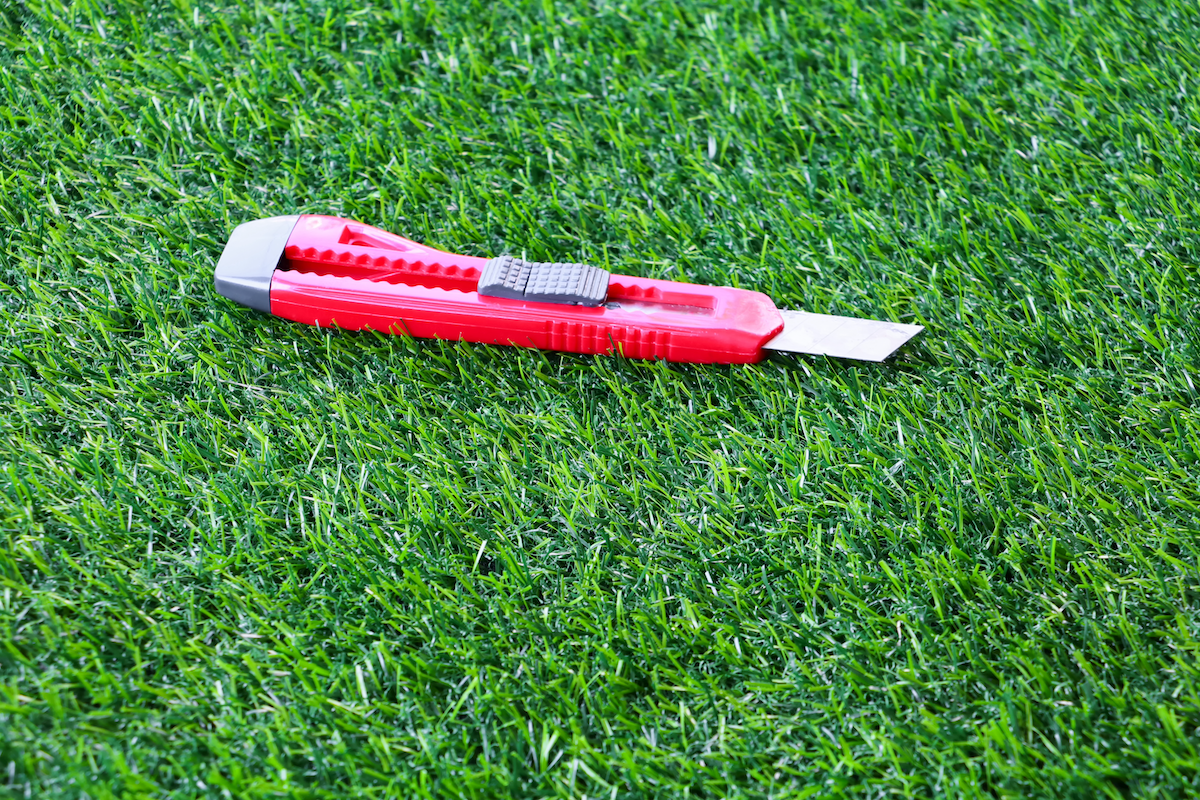
Restore your artificial lawn to its original beauty with our professional repair services. From seam repairs to patching damaged areas, we fix all types of synthetic grass issues quickly and effectively.
FEATURES
- -Seam repair and re-gluing
- -Patch and replacement sections
- -Infill replenishment
- -Edge repair and securing
- -Drainage problem correction
BENEFITS
- -Extends turf lifespan
- -Restores original appearance
- -Prevents further damage
- -Cost-effective alternative to replacement
- -Quick, professional service
Artificial Grass Repair in Plano, TX Restore the beauty and functionality of your synthetic lawn with professional artificial grass repair services. Our experienced technicians diagnose and resolve all types of turf damage—from minor seam issues to major repairs—extending the life of your investment and maintaining the appearance of your Plano property. ## Common Turf Damage Types Synthetic grass is durable, but various factors can cause damage requiring professional attention. ### Seam and Edge Issues **Separation**: Adhesive failure or stress can cause seams to separate, creating visible gaps and trip hazards. **Lifting**: Improper installation or ground movement may cause edges or seams to lift from the base. **Visible Seams**: Poor initial seaming or material shrinkage can make seams conspicuously visible. **Edge Damage**: Perimeter areas may experience damage from foot traffic, equipment, or landscaping activities. ### Surface Damage **Tears and Cuts**: Sharp objects, equipment accidents, or vandalism can cut turf surfaces. **Burns**: Hot objects, reflected sunlight from windows, or chemical exposure can melt or discolor fibers. **Wear Patterns**: High-traffic areas may show matting, fiber loss, or compaction from intensive use. **Pet Damage**: Persistent digging, chewing, or concentrated waste can damage specific areas. ### Structural Problems **Drainage Issues**: Clogged drainage, base settling, or grade problems can cause pooling or slow drying. **Infill Problems**: Compaction, displacement, or degradation affects appearance and performance. **Base Failure**: Underlying base materials may settle, erode, or fail to provide adequate support. **Weed Growth**: Barrier failure can allow weeds to emerge through turf surfaces. ## Seam Repair Techniques Seam issues are among the most common repair needs and require professional techniques for lasting results. ### Separation Repair **Assessment**: Evaluating the extent of separation and underlying causes. **Preparation**: Cleaning and preparing seam areas for proper adhesive bonding. **Adhesive Application**: Using professional-grade turf adhesives applied correctly for maximum strength. **Seaming Tape**: Reinforcing repairs with appropriate seaming tape for durable connections. **Compaction**: Proper pressure application during curing ensures strong bonds. ### Invisible Seaming **Pattern Matching**: Aligning fiber direction and color patterns across repair seams. **Seam Placement**: Positioning seams in less visible areas when possible. **Fiber Blending**: Grooming techniques that blend fibers across seam lines. **Color Matching**: Using compatible materials that match existing turf appearance. ## Pet Damage Restoration Pet-related damage requires specialized repair approaches. ### Digging Damage Repair **Area Evaluation**: Assessing the extent of digging damage to substrate and base. **Base Restoration**: Rebuilding compacted base materials that have been disturbed. **Barrier Enhancement**: Installing additional edging or barriers to prevent future digging. **Turf Replacement**: Installing new turf sections with proper seaming and infill. **Reinforcement**: Enhanced installation techniques in areas prone to digging. ### Urine Damage **Drainage Improvement**: Addressing drainage issues that concentrate urine effects. **Infill Replacement**: Removing saturated infill and replacing with fresh, odor-controlling material. **Surface Cleaning**: Deep cleaning and sanitization of affected areas. **Treatment Application**: Enzyme and antimicrobial treatments for odor and bacteria control. ## Heat and UV Damage Assessment Texas sun intensity can cause various forms of heat and UV damage. ### Heat-Related Issues **Fiber Melting**: Concentrated reflected heat from windows or metal objects can melt fibers. **Color Fading**: UV exposure gradually degrades fiber color, though quality products resist this effectively. **Backing Degradation**: Excessive heat can damage primary or secondary backing materials. **Infill Compaction**: Heat can accelerate infill compaction and degradation. ### UV Damage Evaluation **Fade Assessment**: Evaluating color change against original specifications. **Fiber Integrity**: Checking for UV-induced brittleness or degradation. **Backing Condition**: Assessing UV effects on structural backing materials. **coverage details Considerations**: Determining if UV damage falls under coverage details coverage. ## Infill Replenishment and Leveling Proper infill management is essential for turf performance and appearance. ### Infill Assessment **Depth Measurement**: Checking current infill depths against specifications. **Distribution Evaluation**: Identifying areas of uneven distribution or displacement. **Material Condition**: Assessing infill degradation or contamination. **Type Verification**: Ensuring existing infill is appropriate for application. ### Replenishment Procedures **Cleaning**: Removing debris and contaminated material before adding fresh infill. **Application**: Even distribution of appropriate infill type and quantity. **Brushing**: Power brushing to work infill into fiber structure and achieve even distribution. **Leveling**: Ensuring consistent surface levels across the entire installation. ### Specialized Infill Options **Cooling Infill**: Replacement with heat-reducing infill materials. **Antimicrobial Options**: Pet areas benefit from treated infill materials. **Upgraded Performance**: Higher-quality infill improves overall system performance. ## Drainage Problem Solutions Drainage issues require systematic diagnosis and targeted solutions. ### Problem Diagnosis **Visual Inspection**: Identifying standing water, slow drainage, or wet spots. **Flow Testing**: Evaluating actual drainage performance with water testing. **Base Assessment**: Checking base material integrity and permeability. **Grade Verification**: Ensuring proper surface grades for water movement. ### Repair Solutions **Surface Cleaning**: Removing debris blocking drainage holes in turf backing. **Infill Management**: Reducing infill depth in drainage-challenged areas. **Base Restoration**: Rebuilding or replacing compromised base materials. **Drain Installation**: Adding supplemental drainage features as needed. **Grade Correction**: Addressing low spots or improper slopes. ## Patch Repair vs Full Section Replacement Damage extent determines whether patch repair or section replacement is appropriate. ### Patch Repair Appropriate **Small Areas**: Damage limited to small, defined areas. **Isolated Issues**: Single-point damage rather than widespread problems. **Matching Materials**: Availability of compatible materials for seamless repair. **Structural Integrity**: Base and surrounding areas in good condition. ### Section Replacement Indicated **Large Areas**: Extensive damage exceeding practical patch size. **Multiple Locations**: Several damage areas suggesting systematic issues. **Material Obsolescence**: Original materials no longer available or appropriate. **Upgrade Opportunity**: Desire to improve performance or appearance beyond repair. ## Edge Securing and Reattachment Edge issues require prompt attention to prevent further damage. ### Edge Damage Types **Lifting**: Edges pulling away from perimeter restraints. **Fraying**: Fiber separation at cut edges. **Trip Hazards**: Edges creating height differences or loose materials. **Aesthetic Degradation**: Visible gaps or irregularities at perimeters. ### Repair Techniques **Restraint Repair**: Reinstalling or replacing edging materials. **Adhesive Application**: Securing lifted edges with appropriate adhesives. **Mechanical Fastening**: Using stakes or fasteners for additional security. **Transition Smoothing**: Creating smooth transitions between turf and adjacent surfaces. ## Color Matching for Repairs Achieving invisible repairs requires careful color matching. ### Matching Challenges **UV Aging**: Existing turf color changes with UV exposure over time. **Dye Lot Variation**: Different production runs may have slight color differences. **Wear Patterns**: Traffic affects appearance and color perception. **Cleaning Effects**: Deep cleaning may temporarily brighten existing turf. ### Matching Strategies **Sample Comparison**: Comparing repair materials to existing turf under various lighting. **Aging Simulation**: Some suppliers can provide weathered samples for better matching. **Strategic Placement**: Positioning repairs in less visible areas when perfect matching isn't possible. **Blending Techniques**: Grooming and infill management that minimizes visible differences. ## Preventative Maintenance Tips Proper maintenance prevents many common repair needs. ### Regular Maintenance **Debris Removal**: Regular clearing prevents damage from decomposing materials. **Proper Cleaning**: Appropriate cleaning methods avoid fiber damage. **Infill Management**: Maintaining proper infill levels prevents compaction and wear issues. **Traffic Distribution**: Rotating furniture or play equipment distributes wear evenly. ### Damage Prevention **Heat Protection**: Preventing reflected heat concentration that causes fiber melting. **Chemical Avoidance**: Keeping harsh chemicals away from turf surfaces. **Pet Management**: Training and design strategies that minimize pet damage. **Equipment Awareness**: Careful use of maintenance equipment near turf edges. ## Getting Started with Turf Repair Addressing turf damage promptly prevents minor issues from becoming major problems. Our repair specialists provide comprehensive damage assessment, clear repair recommendations, and expert execution that restores your synthetic grass to optimal condition. From minor seam repairs to major restoration, we deliver lasting solutions that protect your investment. Contact us today to schedule your turf repair assessment and restore the beauty and functionality of your synthetic lawn.
FREQUENTLY ASKED QUESTIONS
How much does artificial grass repair typically cost?
Repair costs vary significantly based on damage type and extent. Minor seam repairs might range from $200-$500, while patching damaged areas could cost $500-$1,500 depending on size. Major repairs involving base restoration or large section replacement may cost $2,000+. We provide detailed estimates after assessing your specific situation, and many repairs are significantly less expensive than full replacement.
Can you match the color of my existing turf for repairs?
We make every effort to achieve the closest possible color match for repairs. However, UV exposure over time causes color changes that make perfect matching challenging. We compare repair materials to your existing turf under various lighting conditions and use strategic placement when needed. In some cases, we may recommend cleaning the entire area to minimize visible differences between repaired and existing sections.
How long do turf repairs typically last?
Professional repairs using proper materials and techniques should last as long as the original installation when maintained appropriately. Seam repairs, patch work, and infill replenishment can extend system life for years. The key is addressing underlying causes of damage—whether drainage issues, pet behavior, or installation deficiencies—to prevent recurrence.
Should I repair or replace my damaged turf?
This depends on damage extent, turf age, and overall condition. Repair is cost-effective for localized damage on relatively new installations. Replacement makes more sense when damage is widespread, the system is nearing end of life (15+ years), or multiple issues suggest systematic problems. We provide honest assessments to help you make the most economical long-term decision.
What causes seams to separate and how do you fix them?
Seam separation can result from adhesive failure, ground movement, improper installation, or stress from foot traffic and temperature changes. Repair involves cleaning the area, applying professional-grade adhesive and seaming tape, and properly compressing the seam during curing. We also address underlying causes—such as drainage or base issues—to prevent recurrence.
READY TO GET STARTED?
Contact us today for a free consultation and estimate for your artificial grass repair project.
GET A FREE ESTIMATE